
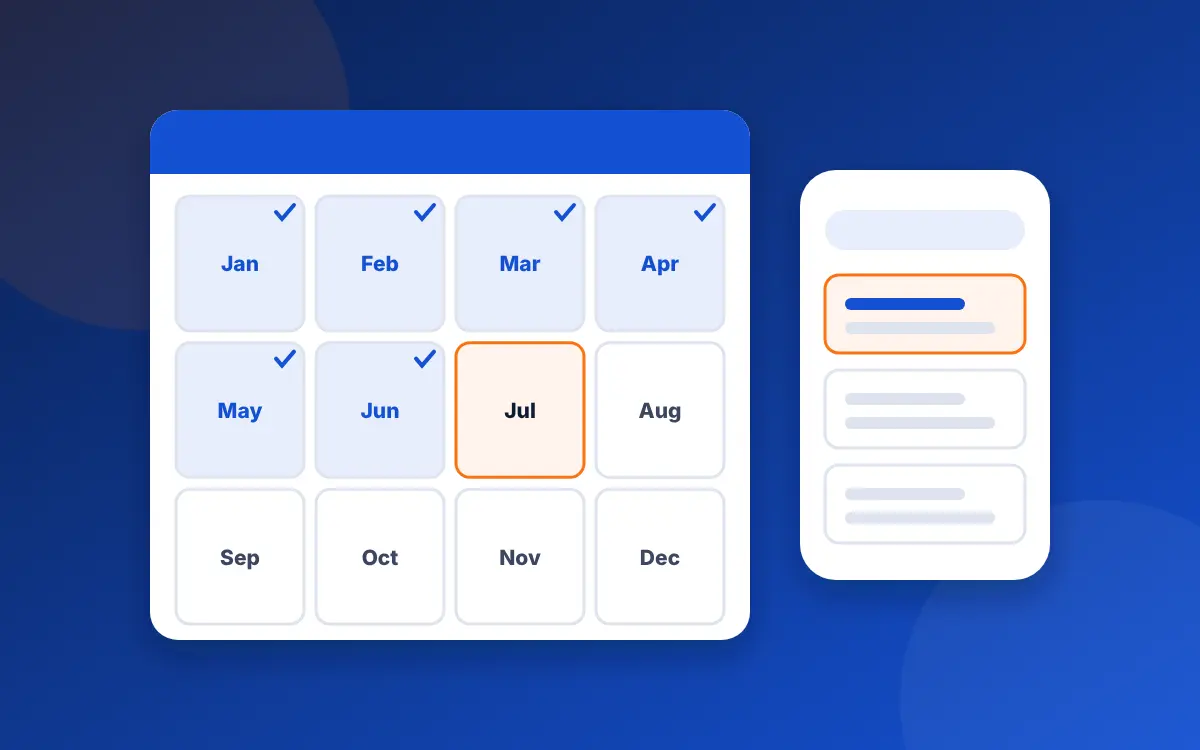
For a local business, SEO usually shows first results within a few weeks, from Google Business Profile and listing fixes, and builds over 6 to 12 months as new pages, reviews and links add up. Google says some changes take effect in hours and others take several months, and suggests waiting a few weeks before judging any change.
What Google says about timing
Google's SEO starter guide puts it plainly: "Some changes might take effect in a few hours, others could take several months." It adds that "you likely want to wait a few weeks to assess whether your work had beneficial effects", and that "not all changes you make to your website will result in noticeable impact in search results".
Google's page on hiring an SEO suggests asking any agency "What kind of results do you expect to see, and in what timeframe?" and warns that "no one can guarantee a #1 ranking on Google". A good answer to that question is specific and comes with things you can check along the way. A bad one is a guaranteed position by a date.
What the largest study found
The SEO tool company Ahrefs has tracked how long new pages take to reach Google's top 10. Its May 2025 update found:
- Of 2 million new English pages first seen in October 2023, 6.11% reached the top 10 within a year. In a broader random sample of new pages, only 1.74% did.
- Of the pages that did make the top 10, 40.82% got there within a month.
- 72.9% of pages in the top 10 were more than three years old, and the average page in position one was five years old.
Two lessons for a local business. Most pages never rank well at all, so what you publish matters more than how much. And pages that do rank tend to hold their place for years, which is why SEO grows in value long after the work is done.
Keep in mind that the study covers the whole web, including national searches with huge competition. A plumber's page about water heater repair in a mid-sized city competes with a handful of local businesses, not thousands of national sites, and usually moves faster.
A realistic timeline for local SEO
Here is what to expect from steady work on a local contractor or practice, starting from a typical position: a website that exists, a Business Profile with some reviews, and no ongoing SEO. Your market will move these windows.
| When | Work done | What you can expect to see |
|---|---|---|
| Weeks 1 to 4 | Business Profile fixes, listing clean-up, crawl and indexing fixes, call tracking set up | Most profile edits go live within days, though some go through Google review first. Some movement on searches close to your location. Clean data to measure from. |
| Months 2 to 3 | Service pages rewritten or added, review routine running, structured data added | New pages indexed and getting impressions in Search Console. A few long, specific searches start sending visits. |
| Months 4 to 6 | City pages, cost and comparison guides, local links and mentions | More searches on page one, a wider map pack radius, and calls you can trace to search. |
| Months 7 to 12 | More guides, page updates, steady reviews | Rankings on harder searches. Search leads become a dependable share of your work. |
| Year 2 and on | Updates and new pages as you add services | Results compound. Work done in year one keeps producing calls without new spend. |
If nothing on the first two rows has happened by month three, that's a warning sign. Something is blocking progress, or the work isn't being done.
Five things that make SEO faster or slower
1. How busy your market is
A roofer in a large metro where national lead companies and well-funded competitors already publish heavily will wait longer than an electrician in a town of 40,000. Look at who ranks for your main searches today. If the top results are thin pages from small local firms, you can move fast; if they're detailed guides from established companies, plan for the long end.
2. Where you start
A site that has been online for years, with some links and a Business Profile with real reviews, usually moves faster than a brand-new domain. A business with a past penalty, a recent rebrand or conflicting listings has clean-up to do before anything new can help.
3. Distance
Google's local results weigh how far you are from the searcher, and you can't change that. Searches near your office respond first; ranking in a suburb 30 miles away takes more work and may never happen in the map pack, though a strong city page can still rank in the regular results.
4. Consistency
Reviews that arrive every month, a new page every few weeks and listings that stay accurate beat a burst of work followed by silence. SEO rewards businesses that keep showing signs of life.
5. What you publish
Pages that answer real questions with real detail (prices, timelines, permits, photos from your jobs) rank faster and hold their place. Twenty thin pages written to hit keywords are slower, and Google's policies treat near-copies made only to rank as spam.
What you can measure before rankings move
Rankings are the last thing to change. These show up earlier and tell you the work is landing:
- Indexing: new pages appear in Search Console's Pages report as indexed.
- Impressions: Search Console shows your pages appearing for more searches, even if clicks are low.
- Profile actions: calls, direction requests and website clicks in your Business Profile performance report.
- Review count: new reviews every month.
- Leads: tracked calls and forms from search, which is the number that pays the bills.
How long does it take to show up in ChatGPT and other AI tools?
There's no published timeline, and anyone who gives you a firm one is guessing. What we know is how these tools get their information. ChatGPT search uses outside search providers (OpenAI named Bing at launch) and its own crawler, OAI-SearchBot. Google's AI Overviews and AI Mode use Google's index. Copilot runs on Bing. So an AI tool can only pick up a fix once the search index or listing it reads has picked it up first.
In practice that means two speeds. Corrections to listings and pages that are already indexed can show up in AI answers within weeks, as those sources refresh. Becoming a business AI tools recommend by name, which depends on reviews, directory presence and pages that answer questions well, builds on the same 6 to 12 month curve as regular SEO. Check the same questions in each tool once a month, and judge the trend rather than any single answer, because AI answers vary from one run to the next. Our guide to where ChatGPT gets local business information explains the sources in detail.
How SEO timing compares with paid ads
Google Ads and Local Services Ads can bring calls within days of launch, and stop the day you stop paying. SEO is slow to start and keeps working after the effort ends. A common plan is to run ads while SEO builds, then cut ad spend as search leads grow. We compare the costs in SEO vs Google Ads vs Local Services Ads, and whether the wait pays off in is SEO worth it for contractors.
Red flags in what agencies promise
- A guaranteed number one ranking, or a guaranteed position by a date. Google says no one can promise this.
- "Results in 30 days" for competitive searches, with no explanation of what will change in those 30 days.
- A 12-month contract with no monthly report of the work done.
- "Give it time" at month six with no movement in indexing, impressions or profile actions.
Our guide to choosing an SEO company has twelve questions to ask before you sign.
Common questions
How long does SEO take to work?
For a local business, first results often show within a few weeks from Business Profile and listing fixes, and SEO builds over 6 to 12 months as new pages, reviews and links add up. Google says some changes take effect in hours and others take several months.
How long does local SEO take compared with national SEO?
Local SEO is usually faster because you compete with a handful of nearby businesses rather than national sites. Ahrefs found only 6.11% of new pages reached Google's top 10 within a year across the whole web, but a local service page in a mid-sized market usually faces far less competition.
Why is my SEO taking so long?
The common causes are a busy market, a new website with no history, distance from the area you want to rank in, inconsistent work, and thin pages. Check Search Console: if new pages aren't indexed or getting impressions after three months, something is blocking progress.
Can SEO work in 30 days?
Some parts can. Fixing your Business Profile category, hours and listings often shows within weeks, and a new page on a low-competition search can rank within a month; Ahrefs found 40.82% of pages that reached the top 10 got there within a month. Ranking for competitive searches takes longer.
How do I know if SEO is working before rankings change?
Look at indexing and impressions in Google Search Console, calls and direction requests in your Business Profile performance report, the number of new reviews each month, and tracked calls and forms from search. These move before rankings on hard searches do.
Should I stop SEO if I see no results after six months?
Not without checking why. If pages are indexed and impressions are growing, the work is landing and rankings usually follow. If nothing has moved at all after six months, ask your provider exactly what was done each month; Google warns that no one can guarantee rankings.
Sources
- Google Search Central, SEO starter guide, last updated December 10, 2025 (checked October 29, 2026)
- Google Search Central, Do you need an SEO?, last updated June 5, 2026 (checked October 29, 2026)
- Ahrefs, How long does it take to rank in Google?, Patrick Stox, May 15, 2025
- Google Business Profile Help, Tips to improve your local ranking on Google (checked October 29, 2026)
- Google Search Central, Spam policies for Google web search
Find out where your fastest wins are
The free audit shows which fixes can move in weeks and which need months, so you know what to expect before you cut any ad spend.
Get my free audit